
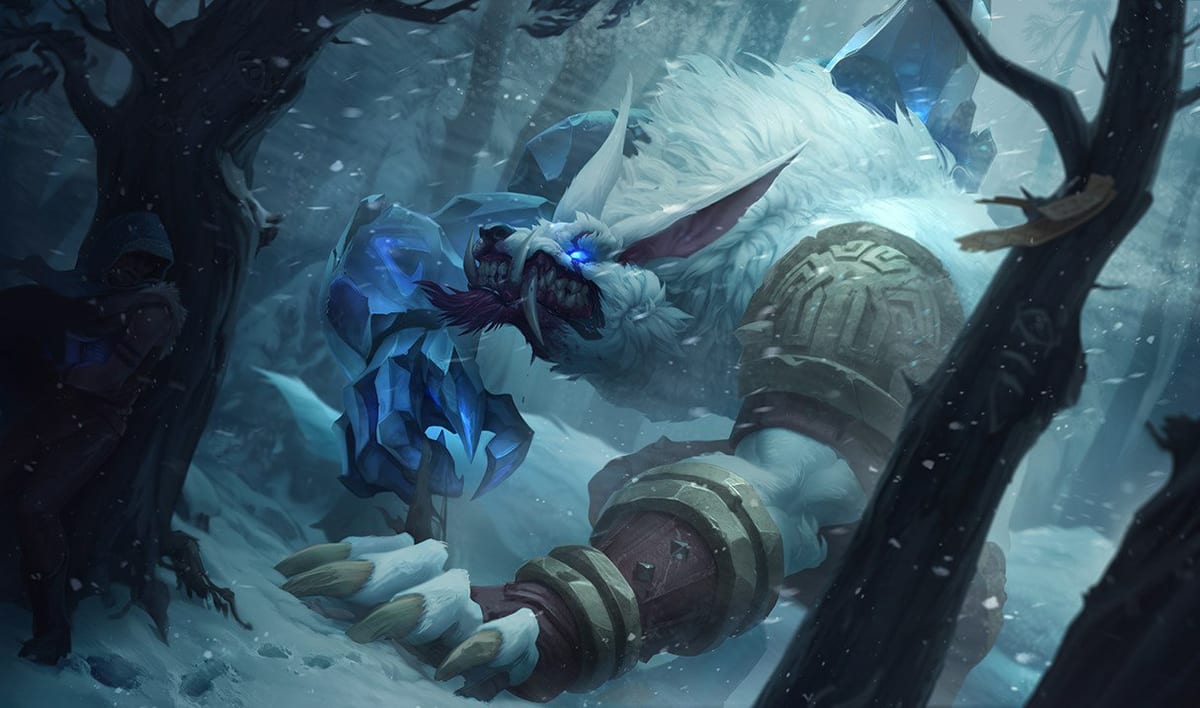
Games used to start with three champions stood on the blue buff. Now most start with everyone walking to lane. Leashing was built on a mechanic that's been gone for over a decade, and the word means something different today.
League of Legends Guide
What Happened to Leashing?
How Jungle Starts ChangedIf you played League in its first few years (we did, and wrote about it), the start of a game had a ritual. Everybody bought, everybody walked to the jungler's first buff, somebody hit it, and the whole team stood there for twenty seconds before jogging off to lane. Nobody explained it. You just did it, because that was how a game started.
Today most games start with the laners going straight to lane and the jungler starting alone. The word "leash" survived, but the thing it described didn't, and the mechanic that made it powerful in the first place has been gone for over a decade.
What Leashing Actually Was
A leash is a thing you lead an animal around on, and that's precisely what the original tactic did.
In early League, a jungle monster locked onto whoever hit it first, and it kept chasing that champion rather than switching to whoever happened to be closest. A laner could attack the buff, take its attention permanently, and then walk backwards away from the camp for as long as they liked. The monster would follow (swinging at the person leading it the whole way) while the jungler stood behind it and hit it for free. Nobody took damage they couldn't control, and the camp died far faster than one champion could ever have managed alone.
That targeting rule no longer exists. An aggroed monster now acquires the nearest champion, measured by how far it would have to walk rather than by straight line distance. Hit a camp and step behind your jungler and the camp simply turns around and attacks your jungler. There's no leading anything around any more, and the League wiki now files the gameplay meaning of the word as vestigial (the term outlived the mechanic it was named for).
What It Looked Like When We Were Writing About It
This site has been running since 2011, so the old jungle isn't something we have to reconstruct from memory. It's sitting in the archive, written down at the time by people who assumed it would never change.
Our 2012 post on the benefits of a late invade is the clearest snapshot. Its entire argument depends on knowing exactly what five enemy champions will be doing at a specific second of the game, because everyone did the same thing every game:
"At 1:55, Ahri will most likely use her Q on blue buff to leash for Alistar, meaning she's cut off from the team and also puts her nuke on cooldown. Meanwhile, at about 1:58, Alistar will most likely throw down his pulverize as the blue golem leashes back to him."
Nerfplz.com, September 2012Read what that assumes. The mid laner is standing in the enemy jungle at 1:55 with her main damage ability on cooldown. The support is next to her. Neither of them is anywhere near their lane. An entire invade strategy was built on the certainty that half the enemy team would be gathered around a monster instead of playing the game, and it worked (because they were).
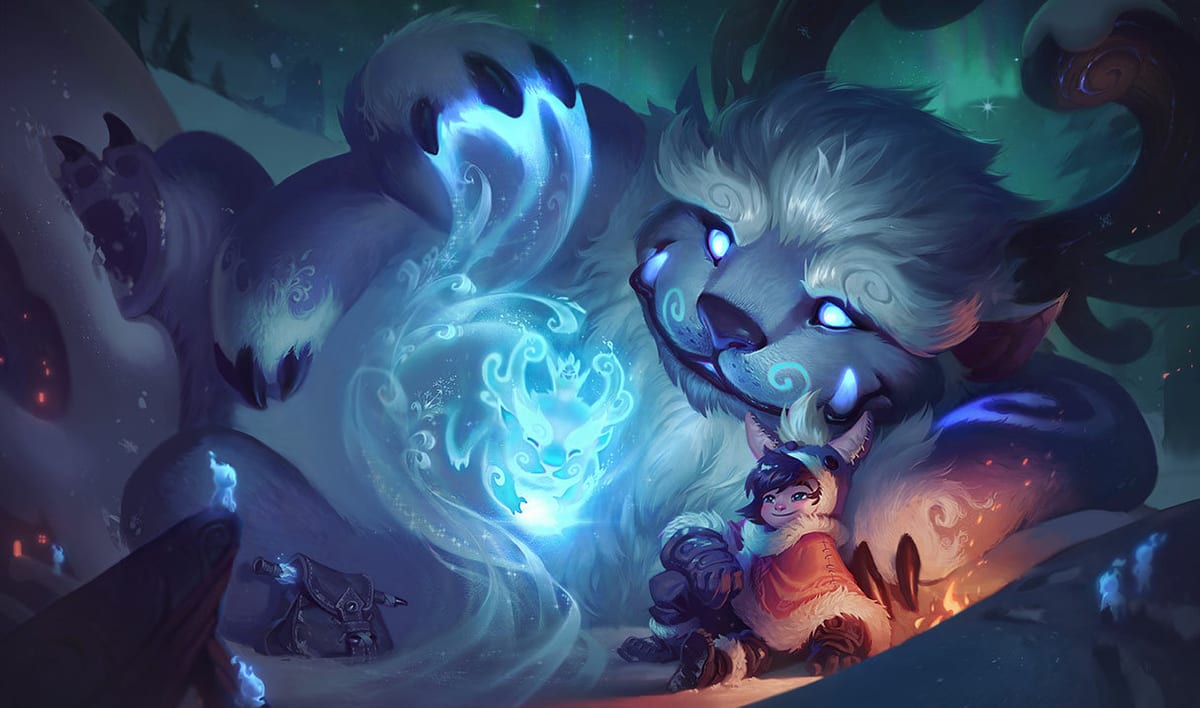
The archive is full of the same assumption made casually. A 2012 write-up of jungle Nunu notes he has "an extremely safe jungle if he gets a good leash, even without pots". A guide to Dyrus jungling Singed brags that he could clear "without a leash in a custom game" as though that were impressive. Getting a leash wasn't a favor. It was infrastructure.
The Change That Killed It
Leashing didn't die in one patch. It was squeezed out over several years by changes that each had a different goal, and the archive caught most of them as they landed.
| Era | What changed | What it did to leashing |
|---|---|---|
| Season 1 | The jungle was brutally hard and paid extremely well. Most junglers started with armor and five potions and little else. | Leashing was close to mandatory. Very few champions could clear at all without help. |
| Late 2011 | Small camps gained healing sigils that restored the killer based on missing health, and camp rewards and respawn times were retuned. | Junglers could sustain themselves through a clear for the first time, rather than needing a body to absorb the first camp. |
| Season 3 preseason | Monster damage was increased, and jungle-specific starting items were introduced alongside them. | The intended answer to a hard jungle became an item you buy, not four teammates you borrow. |
| Season 5 | Smite-upgrading jungle items and enchantments arrived, tying clear speed to the jungler's own purchase. | Clear speed became a build decision. The gap between a leashed and unleashed start narrowed again. |
| Season 11 onward | The enchantment system was removed and the jungle starting item was rebuilt around Smite upgrades, eventually becoming today's jungle pets. | The jungler now brings their own leash partner into the game with them. |
The Season 3 preseason is the moment the design intent was stated out loud, and we covered it at the time in a post about Riot designer Statikk's jungle rundown. The stated goals were to reduce the early pressure junglers were putting on lanes and to widen the roster of champions who could jungle at all. The method was to make the monsters hit harder and then hand junglers items that answered it:
"To combat this spike in jungle difficulty, we're introducing several jungle-specific items to the game. For example, Hunter's Machete is a great starting item which can be purchased at the beginning of the game to help you efficiently clear jungle."
Statikk, Riot Games, November 2012Notice what that quietly does to the social contract. If the jungle is hard and the fix is teammates, the team owes the jungler twenty seconds. If the jungle is hard and the fix is a 300 gold item, the jungler owes themselves a good first purchase. Every jungle rework since has pushed further in that direction.
The current version of that item is somehow a pet. Buying a Gustwalker Hatchling, Mosstomper Seedling or Scorchclaw Pup summons a companion that deals real damage to camps and restores the jungler's health and mana while they clear. It also feeds on treats from large monsters and evolves twice (at twenty and forty treats on Summoner's Rift), and each evolution unlocks an upgraded Smite. The thing your team used to provide is now something you buy at minute zero and keep for the whole game.
How Camps Actually Behave Now
If you're going to help with a camp today, learn the rules first, because most of them punish enthusiasm.
Aggro goes to the nearest champion
Measured by walking distance rather than line of sight. If you stand closer than your jungler, the camp hits you. If you back off, it turns around and hits them. You don't get to choose.
Every camp has a leash range
This is the other, still-current meaning of the word. Each camp has a circle around it, shown when you start the fight. Pull the monster outside it and it loses patience, heals itself back up and walks home.
Switching targets burns patience
A camp's patience also drops each time its target changes, and it can only change target a limited number of times before it resets entirely. Two people taking turns tanking is a good way to hand the camp back at full health.
The reset heals it completely
Once patience runs out the monster ignores everyone, regenerates as it walks back, and returns to full. A badly executed leash is worse than no leash: it costs the jungler the time as well as the damage.
Don't take the last hit. Killing a large monster without a jungle item pays out 15 less gold and 15 less experience than the same kill made by the jungler who owns the pet. It's a small penalty, and weirdly specific: it exists for exactly this situation. Help with the damage if you're helping at all, then let your jungler finish it.
Should You Still Leash?
Sometimes. Granted, the modern version of the question is much narrower than the old one. The wiki's own summary is that balance changes to camps and to jungle starting items have made leashing less and less important over the years, while noting it still has situational value.
Two flavors of the favor survive, and they cost the laner very different amounts:
A soft leash
Draw the camp's attention briefly, then walk away to lane. It costs you a couple of seconds and it saves the jungler a chunk of health at the start of the clear. This is what most players mean when they type "leash?" today.
A hard leash
Actually stay and help kill the camp, without Smite being needed. It's genuinely useful for a slow first clear, and it's genuinely expensive, because you aren't in lane when the first wave arrives.
Only the side lanes can do it
On Summoner's Rift the help realistically comes from the top or bottom laner, because minions reach mid lane much sooner than they reach the outside lanes. A mid laner walking to a buff is giving up more than they're contributing.
Lane control is the real cost
Arriving late to lane isn't just a few missed minions. It concedes the early wave state, which decides who has priority, who gets a level first, and who's allowed to walk forward. Weigh it against the health your jungler actually saves.
Which means the useful thing to do is ask before the game starts rather than assume. A jungler who wants a specific start will say so, and a laner who can't afford to give one should say that too. Both answers are reasonable.
What Replaced It
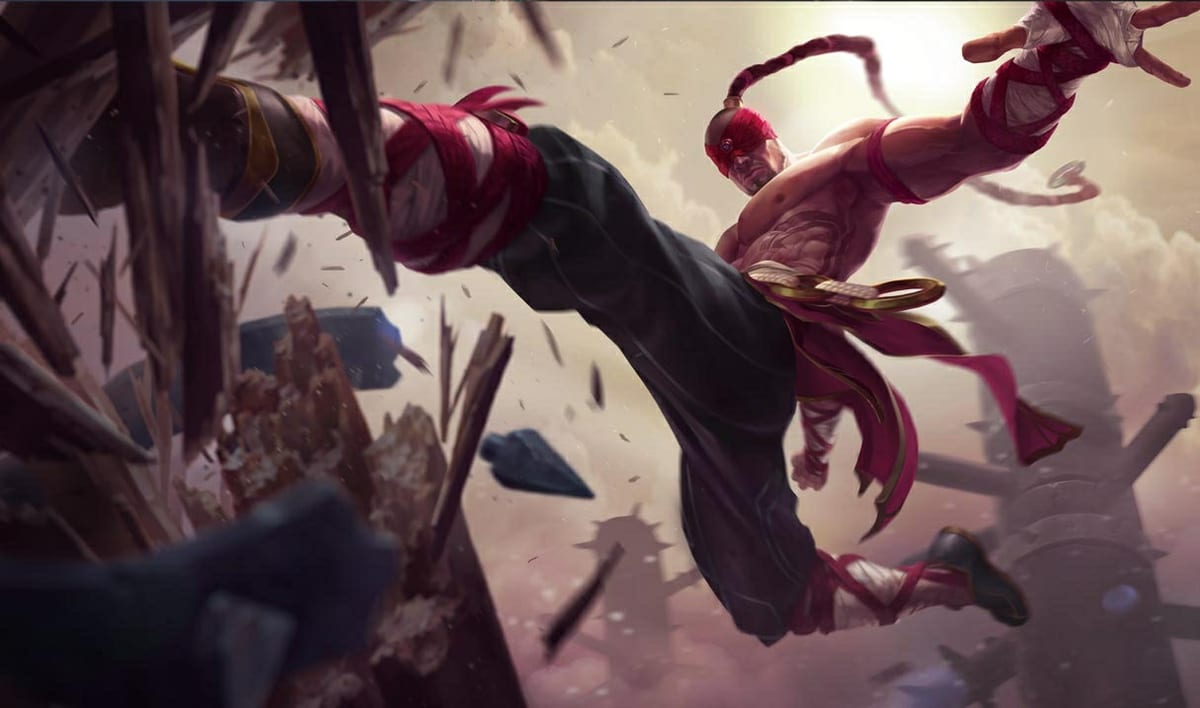
The twenty seconds the team used to spend around a buff didn't vanish. Turns out they just moved.
The modern first clear is a planned route rather than a group activity. Junglers pick a start based on which lanes they want to be near at which minute, and the whole thing is timed against things everyone can see: camps come back two minutes and fifteen seconds after they die (five minutes for the two buff camps), and camp difficulty scales with the average level in the game rather than staying fixed. A jungler's opening is a schedule, and the laners' contribution to it is mostly staying alive and telling them where the enemy jungler is.
That's a better trade for everyone than the old ritual (even if it feels a bit less friendly). The team that used to stand in a circle at 1:55 is now three lanes contesting the first wave and a jungler who doesn't need permission to start their game.
Related Reading
For more of the era this post digs through, our 2011 breakdown of the Volibear patch jungle changes catches the exact moment camps started healing the jungler, and the League of Legends Classic FAQ covers what else that version of the game looked like. Unfamiliar terminology is collected in the League of Legends terms glossary.
Frequently Asked Questions
What does leashing mean in League of Legends?
Today it means helping your jungler kill their first camp, either by drawing its attention briefly or by adding damage. Originally it meant something more literal: a laner attacked the camp first, permanently held its attention, and led it away while the jungler attacked it safely from behind.
Why did leashing stop being necessary?
The mechanic it relied on was removed and the jungle was rebuilt around items. Monsters now attack whoever is nearest rather than whoever hit them first, camps heal the jungler as they clear, and jungle pets deal damage and restore health throughout the first clear. The jungler now brings the help with them.
What's the difference between a hard leash and a soft leash?
A soft leash means drawing the monster's attention briefly and then leaving for lane. A hard leash means staying to help kill the camp outright without Smite being needed. The soft version costs a laner a couple of seconds, the hard version costs them the start of their lane.
What's leash range?
That's the circle around a camp that appears when you start fighting it. Drag a monster outside that circle and its patience drains, after which it stops fighting, regenerates its health and walks back to its camp. Leash range varies from camp to camp (and despite the name, it's unrelated to the old leashing tactic).
Should the mid laner leash?
Usually not. Minions arrive in mid lane noticeably sooner than in the side lanes, so a mid laner who walks to a buff camp concedes the opening wave and the priority that comes with it. If anyone is going to help, it's normally the top or bottom laner.
Can you accidentally hurt your jungler by leashing?
Yes, in two ways. Taking the killing blow on a large monster without a jungle item reduces the reward by 15 gold and 15 experience, and passing the camp's attention back and forth drains its patience until it resets, heals to full and walks home. If you help, add damage and let your jungler finish.
When did leashing change in League of Legends?
There's no single patch. The Season 3 preseason is the clearest turning point, when Riot raised jungle monster damage and introduced jungle-specific starting items to answer it, but camps had already started healing junglers in late 2011, and every jungle rework since has moved more of the first clear onto the jungler's own items.
Do you still leash for your jungler, or do you head straight to lane? Tell us what you do in the comments.







No comments:
Post a Comment
Feel free to comment or leave a message :)