
Some champions get balanced. These ones made Riot go back and edit the rulebook.
Ten picks whose existence changed something about the game itself.
Champions Who Changed the Game
10 Picks Riot Rewrote the Rules For
Some champions get balanced. These ones made Riot go back and edit the rulebook.
Ten picks whose existence changed something about the game itself.
Most new champions are a set of abilities assembled from parts the game already understands. A few arrive with a mechanic nothing in the codebase has an answer for, and then somebody at Riot has to go and define what happens for every other champion when it's used on them. Those are the ones here. You can usually spot them by how long the patch notes stay weird afterward.

#10: Bard
A support whose correct play is to not be in the lane. Bard collects things off the map, builds tunnels through terrain that never had holes in it, and generally treats Summoner's Rift as a place to wander rather than a set of three corridors. Riot has never made another one (which tells you roughly how that went).

#9: Ivern
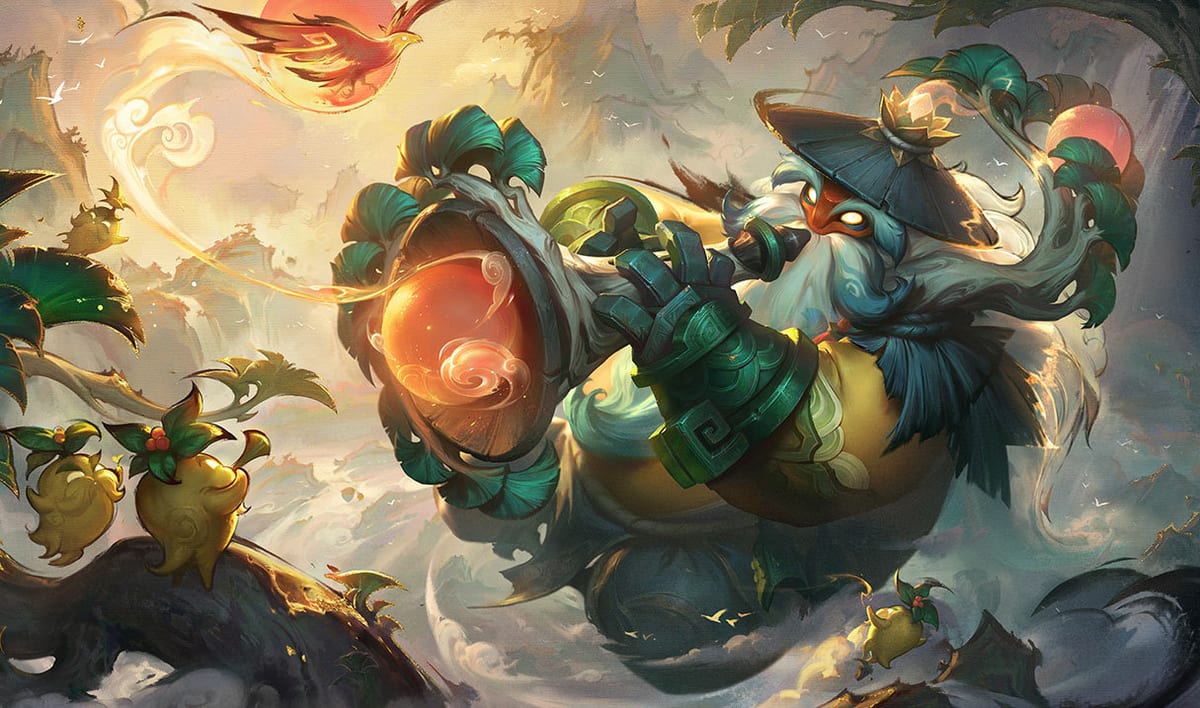
Every jungler in the game's history had the same job: walk to a camp, kill the camp, be weaker for a bit afterward. Ivern doesn't kill camps. He befriends them.
That single decision broke a lot of assumptions at once, because the jungle's whole pacing was built on health costs and clear speeds that simply don't apply to him. He also grows brush wherever he likes (the vision system had to be taught to cope with that).

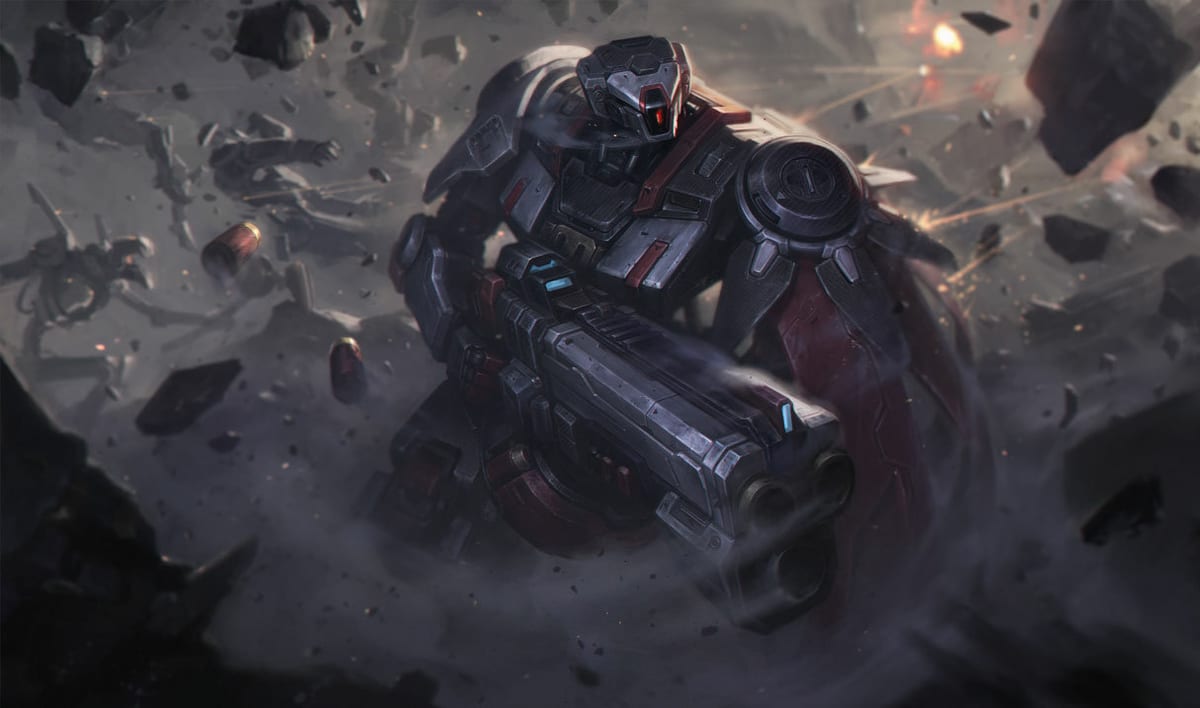
#8: Graves
He used to be a marksman. Then Riot gave him a shotgun that reloads, and an auto attack stopped being a thing you press repeatedly and started being ammunition you manage. Nothing else in the game worked like that, and the champion quietly left the bot lane forever.

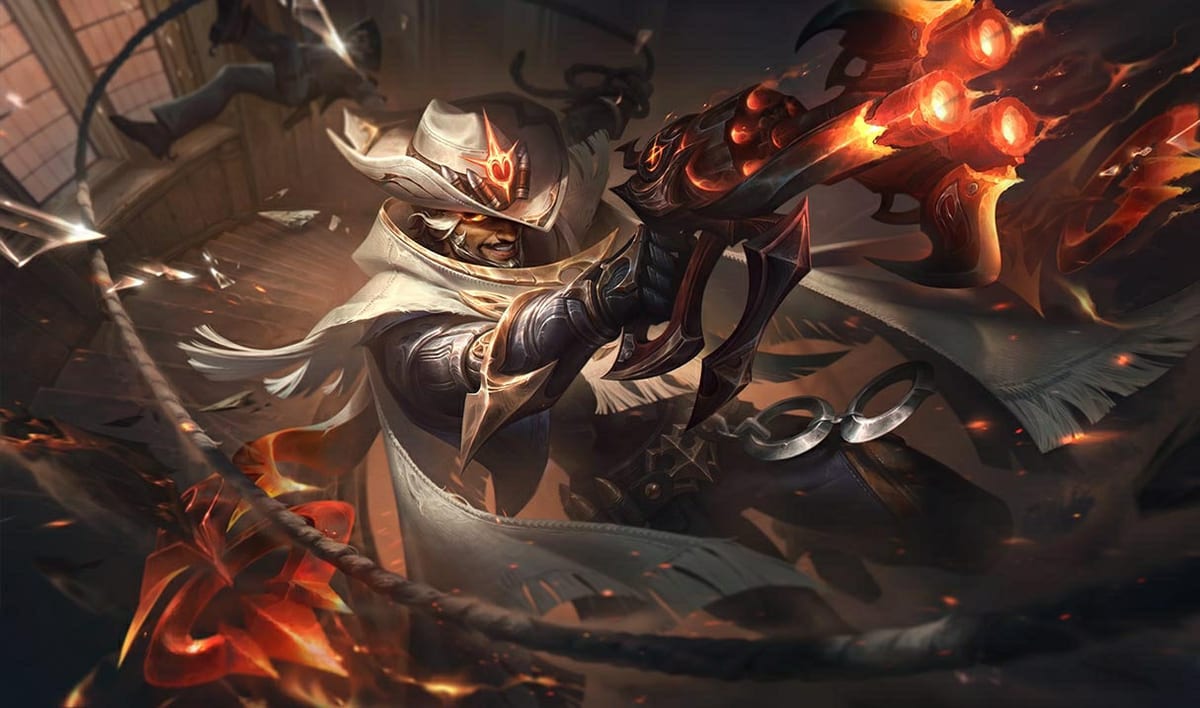
#7: Akshan
Death is supposed to be the one thing the game doesn't negotiate on. Akshan brings teammates back by killing the person who killed them (a sentence that shouldn't parse). Whatever you think of the champion, "you can undo a death" was a genuinely new rule.

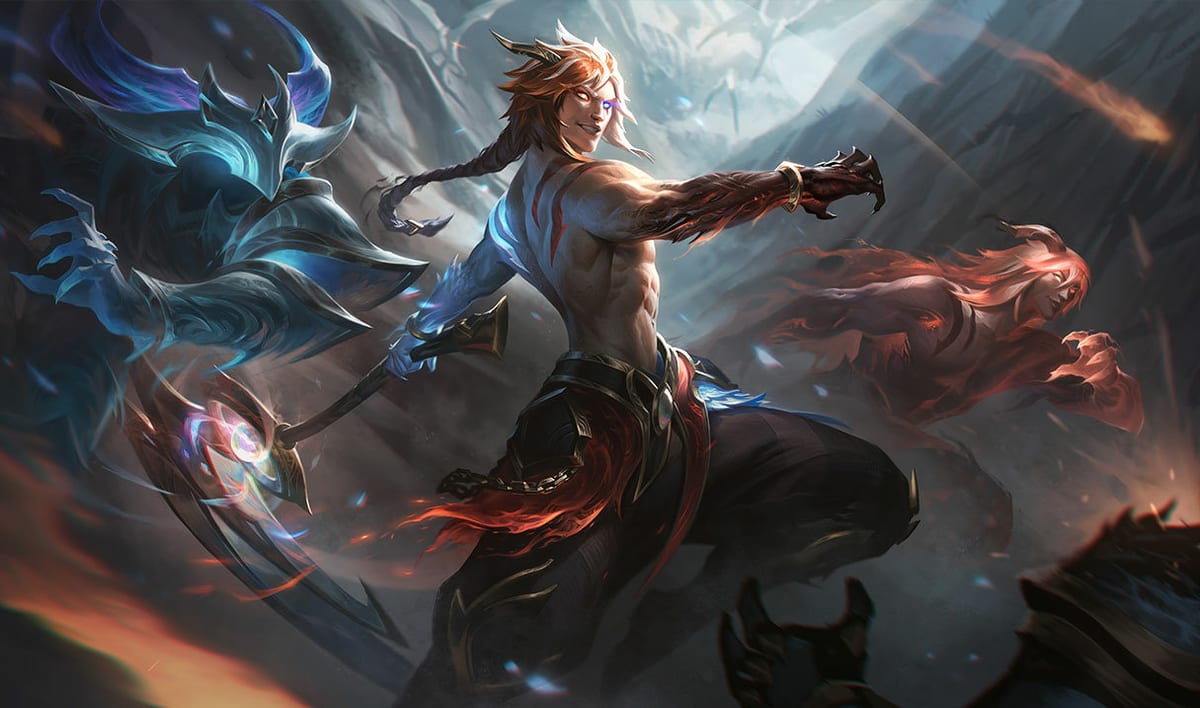
#6: Kayn
Kayn is two champions and the game decides which one you get based on who you've been hitting.
Granted, transformations existed before him, but they were switches you flipped in a fight. This is a permanent fork (chosen once) that changes the champion's damage type, his survivability and his entire role in a team fight. Drafting against him means drafting against both options and finding out which one showed up around fifteen minutes in.

#5: Rengar
For years "invisible" meant whatever each champion's tooltip said it meant, and Rengar sitting in a bush with a leap was the loudest argument that this wasn't working.
The fix was a vocabulary. Riot split the concept into two named states with different rules about how close you have to be and what reveals you, then went back and reassigned every stealthy champion in the game to one or the other. Our stealth guide walks through what each one actually does, because the distinction still decides fights and most players have never been told about it.
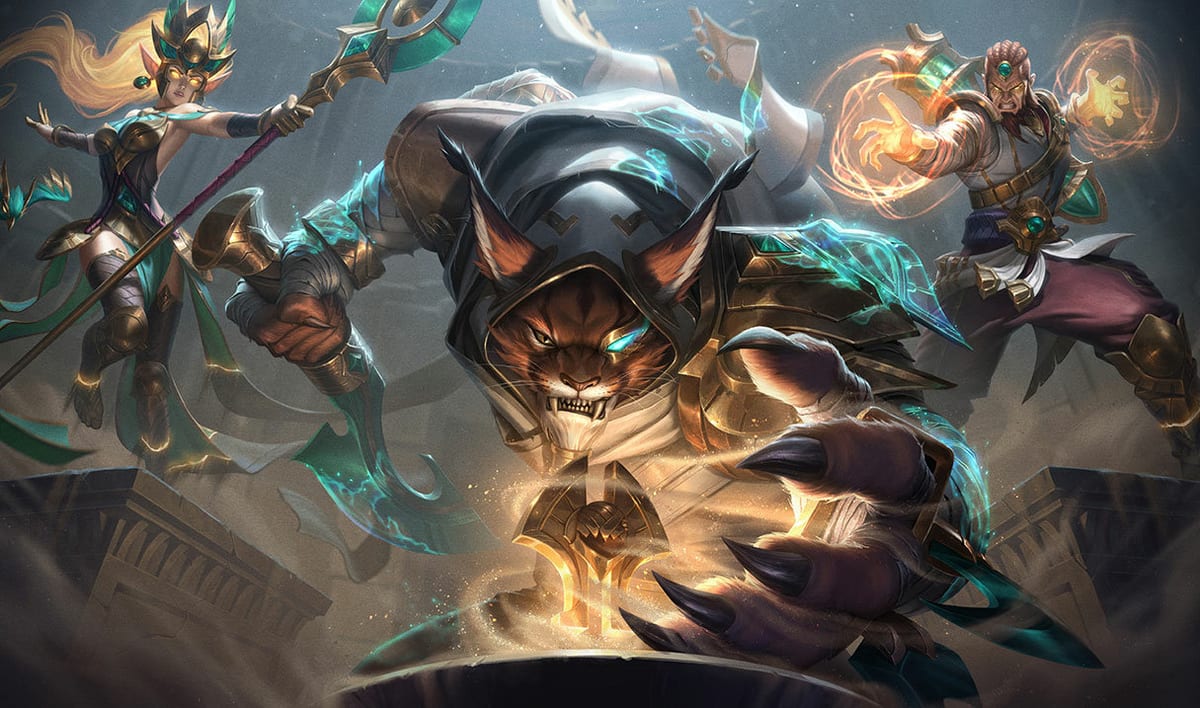
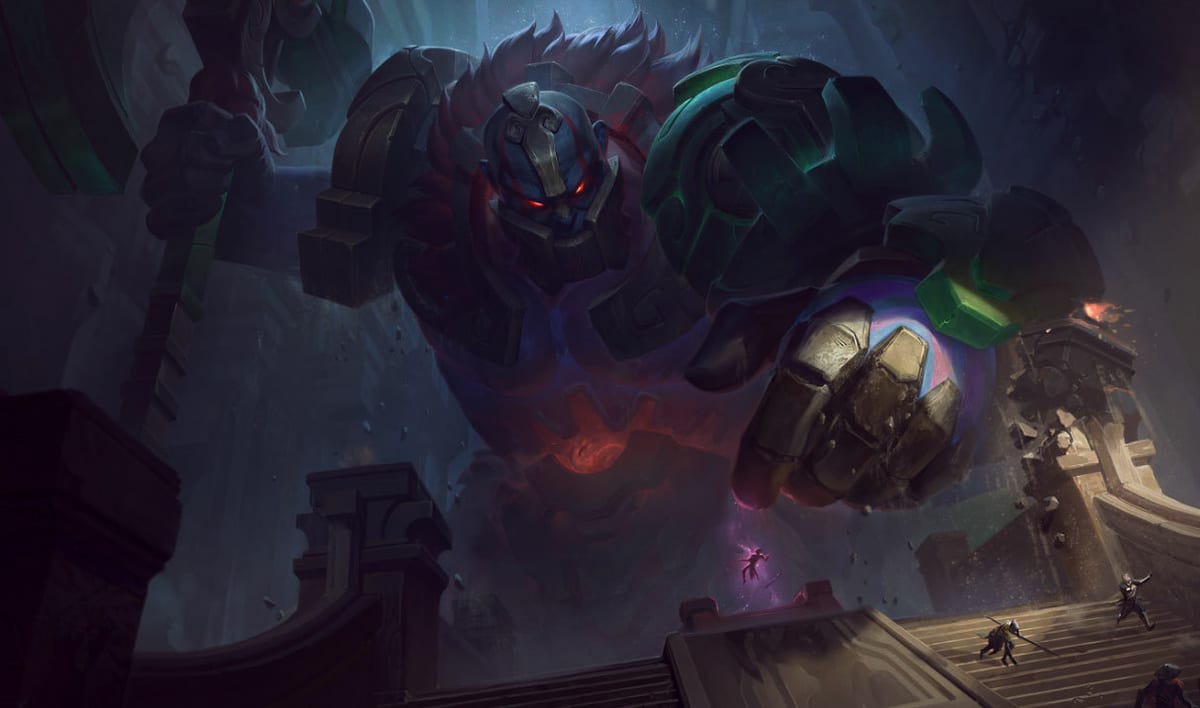
#4: Sion
Riot had rebuilt champions before. Sion was the one where they kept the name and threw out everything else, including the part where being dead ends your turn.
He's the template every big rework since has been measured against, and he settled an argument the studio was clearly having with itself about how much of an old champion you're allowed to scrap. The answer turned out to be all of it.
#3: Senna
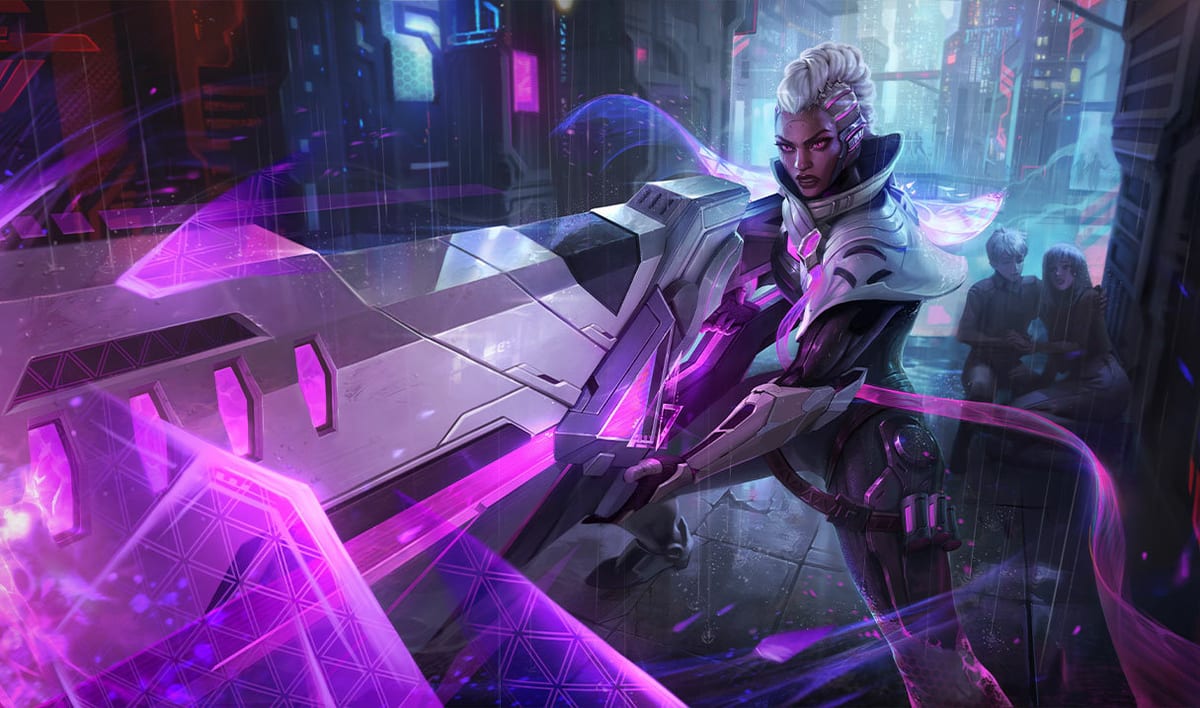
The bot lane ran on one rule that everybody understood without being told: two people, one of them takes the farm, the other one doesn't.
Senna is a support who gets stronger by collecting things off dead minions she didn't kill, so a support could scale like a carry without ever taking a lane's worth of gold from her partner. Riot spent a long time working out what that does to support items, to lane assignments, and to the question of what a support even is. She's the reason the answer got complicated.

#2: Viego
He takes over the corpse and plays your champion, with your build, for a few seconds.
Think about what that requires. Every champion in the game, every one released since, and every item, has to work correctly while being driven by somebody else, and every strange interaction anyone has ever found has to have a defined outcome. It's the largest ongoing maintenance bill any single champion has put on the game, and it gets bigger with every release.

#1: Sylas
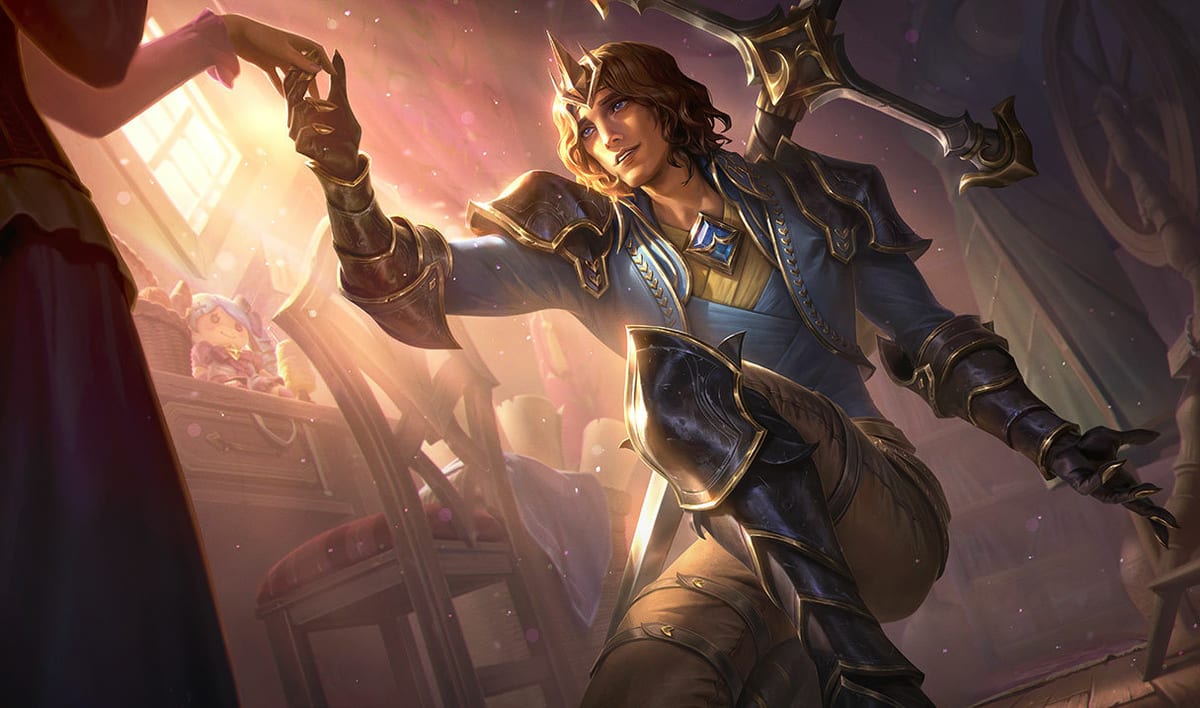
He steals ultimates. All of them (there's no approved list).
That means every ultimate in League has to have a documented answer to the question of what happens when Sylas has it instead, and the ones that transform a champion, or summon something, or depend on stacks he doesn't have, each needed a decision made by hand. New champions get released with this already accounted for now, which is its own kind of legacy.
Balancing Sylas isn't a matter of numbers, because his power comes from the other nine people in the lobby, and no amount of tuning his own stats changes what happens when the enemy team drafted something enormous. Champions like that don't get patched so much as accommodated.
League's rules read like they were handed down whole, and they weren't. Almost every one of them exists because somebody shipped a champion who didn't fit, and the game got edited around them afterward. If you want to see how much of it has moved, our list of things the game used to have covers the parts that got edited out entirely, and the tier list covers where this lot ended up.
Which release do you remember breaking the most?
Every ranking we've argued about is collected on the Top Ten Thursdays hub.





No comments:
Post a Comment
Feel free to comment or leave a message :)